

Moisturizer for Rosacea-Prone Skin
-
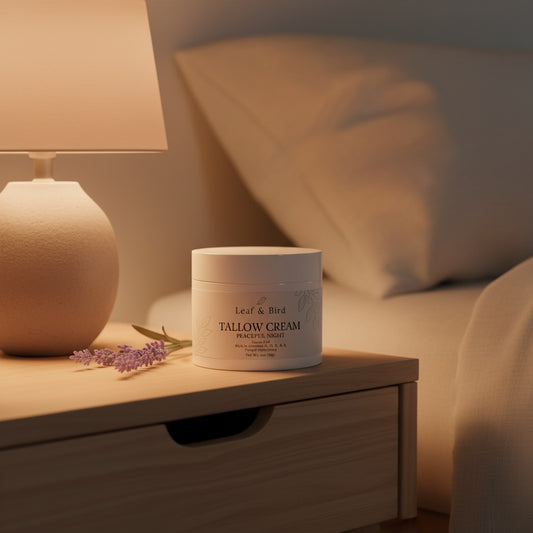
Grass-Fed Tallow Cream: Peaceful Night
Regular price $27.00 USDRegular priceUnit price per -
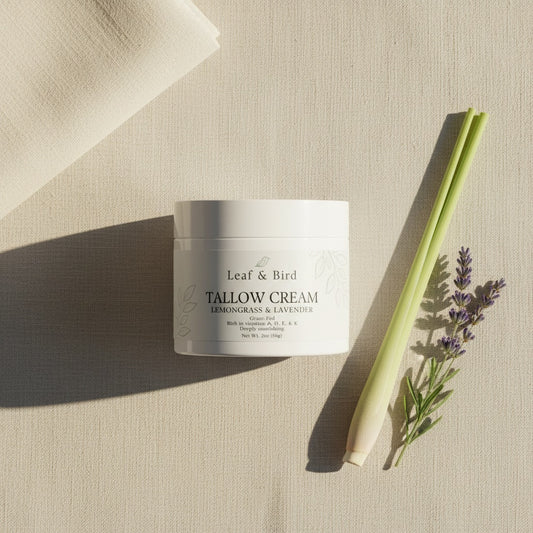
Grass-Fed Tallow Cream: Lemongrass & Lavender
Regular price $27.00 USDRegular priceUnit price per -
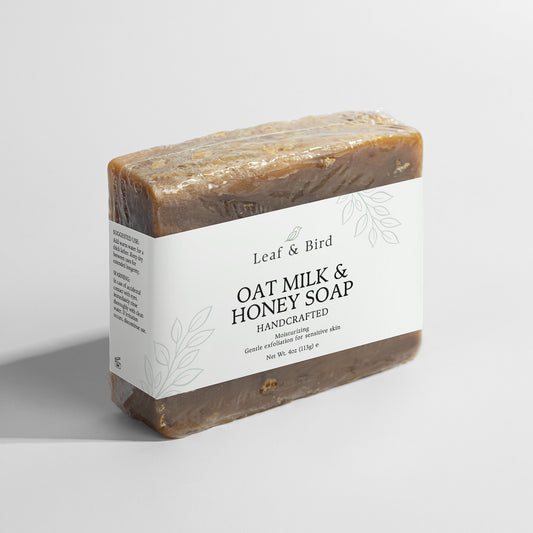
Organic Oat Milk & Honey Soap
Regular price $14.99 USDRegular priceUnit price per



What we are not claiming
Rosacea is diagnosed and treated by a doctor. Prescription options such as ivermectin, metronidazole, azelaic acid and oral therapies are the actual treatments, and vascular laser is what addresses persistent visible vessels. If you have not had a diagnosis, start there rather than with a cream.
What follows is about the supporting role: a barrier-first moisturizer that does not make things worse. That is worth getting right, because a compromised barrier is part of what keeps rosacea-prone skin reactive. It is not a substitute for treatment.
What rosacea-prone skin usually needs from a moisturizer
Barrier lipids, not just water
Rosacea-prone skin frequently has elevated transepidermal water loss. A humectant alone pulls water in and lets it leave again. A lipid-containing moisturizer slows the loss, which is why barrier-first formulas tend to be better tolerated than light gel hydrators.
A short, legible ingredient list
Every additional ingredient is another variable when you are trying to identify a trigger. Fewer ingredients means faster answers.
No fragrance load
Fragrance is among the most commonly reported triggers. That includes natural fragrance. Essential oils are not automatically gentle.
Nothing that heats the skin
Menthol, camphor, peppermint, eucalyptus and high-percentage alcohol all produce the flushing sensation that rosacea-prone skin is least equipped to handle.
Commonly reported triggers to check for
Trigger patterns are individual, so treat this as a checklist for your own patch testing rather than a universal list.
- Fragrance and essential oils, including citrus oils. This is the most frequently cited category.
- Menthol, camphor, peppermint, eucalyptus. Cooling sensations are still sensations.
- Denatured alcohol high on the ingredient list.
- Physical scrubs and strong acids. Exfoliation on already-reactive skin usually costs more than it returns.
- Witch hazel in astringent form.
- Sodium lauryl sulfate cleansers, which strip the barrier before the moisturizer gets a chance.
What we would point you to, honestly
Two of our three tallow creams are plausible here, and one is not.
Peaceful Night is the one we would suggest first. No citrus, calming botanicals, and grass-fed tallow provides the barrier lipids. Lemongrass & Lavender is our gentlest formula and suits many people, though lavender is an essential oil and some rosacea-prone skin reacts to it. Orange & Bergamot we would steer you away from: citrus oils are a common trigger and there is no reason to gamble.
The Oat Milk & Honey Soap is worth pairing, because a harsh cleanser undoes a good moisturizer. Oat is one of the better-tolerated cleansing bases for reactive skin.
Patch test on the jawline for a week before anything goes across your face, and introduce one product at a time.
Building a routine around a reactive barrier
The routine matters more than any single product. Rosacea-prone skin is usually made worse by doing too much rather than by using the wrong cream.
Cleanse gently, once at night
Lukewarm water, never hot. A non-foaming or low-foam cleanser. Morning cleansing with water alone is enough for most reactive skin. Hot water and a foaming sulfate cleanser undo a good moisturizer before you have applied it.
Moisturize on damp skin
Within sixty seconds of patting dry. Press, do not rub. Friction is its own trigger.
Sunscreen every day, mineral if you react
UV is among the most consistently reported rosacea triggers. Zinc oxide and titanium dioxide sit on the surface rather than absorbing, which is why they are usually better tolerated than chemical filters.
Change one thing at a time
Introduce a single new product and give it two weeks before adding another. Changing three things at once makes it impossible to identify what helped or what flared you.
Keep a short trigger log
Product, food, weather, stress, alcohol. Patterns emerge in a few weeks that are invisible day to day, and most rosacea triggers turn out not to be skincare at all.
Moisturizer for Rosacea-Prone Skin: common questions
Can a moisturizer treat rosacea?
What ingredients commonly trigger rosacea flares?
Is tallow suitable for rosacea-prone skin?
Should I exfoliate if I have rosacea?
Which of your creams would you not recommend for rosacea?
About This Collection
Every Leaf & Bird product is formulated with full ingredient transparency: real ingredients, real results, no compromises. Made in the USA without synthetic fragrances, artificial preservatives, or harsh chemicals.
Frequently Asked Questions
Find answers to common questions about our products, shipping, returns, and more.
Every product is formulated with full ingredient transparency. We use clean, natural ingredients. No synthetic fragrances, no artificial preservatives, no harsh chemicals. All products are made in the USA and come with a 30-day money-back guarantee.
Yes! All orders ship free within the United States. Orders are processed within 1-2 business days and typically arrive within 5-7 business days.
We offer a 30-day money-back guarantee on all products. If you're not completely satisfied, contact our support team and we'll issue a full refund. No questions asked.
Our products are formulated without harsh chemicals, synthetic fragrances, or artificial preservatives. We recommend a patch test before first use if you have known sensitivities. Our grass-fed tallow products are especially gentle.
For hydration & dry skin: Start with our Tallow Body Care collection. For brightening & anti-aging: Try our Vitamin C or Vitamin Glow serums. For deep pore cleansing: The Dead Sea Mud mask. For overnight repair: Sleep Plus Collagen Cream.
What Our Customers Are Saying
Clean Beauty That Works
I've been shopping with this brand for over a year now and the quality never disappoints. Every purchase has exceeded my expectations and their customer service is exceptional.
My Whole Routine in One Brand
I've been shopping with this brand for over a year now and the quality never disappoints. Every purchase has exceeded my expectations and their customer service is exceptional.
Finally, Transparent Ingredients
I've been shopping with this brand for over a year now and the quality never disappoints. Every purchase has exceeded my expectations and their customer service is exceptional.