

Seed Oil-Free Skincare
-
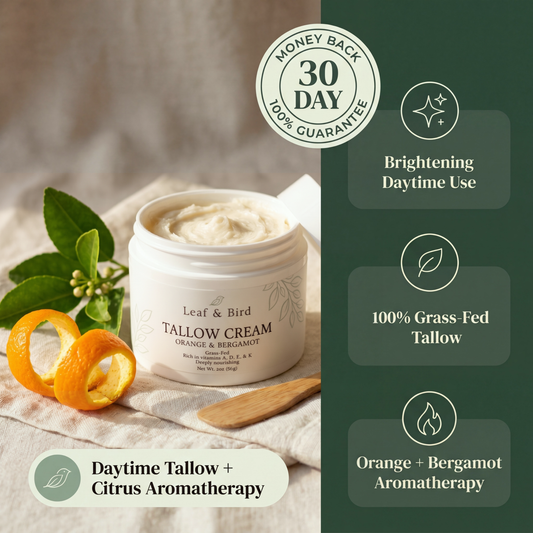
Grass-Fed Tallow Cream: Orange & Bergamot
Regular price $27.00 USDRegular priceUnit price per -
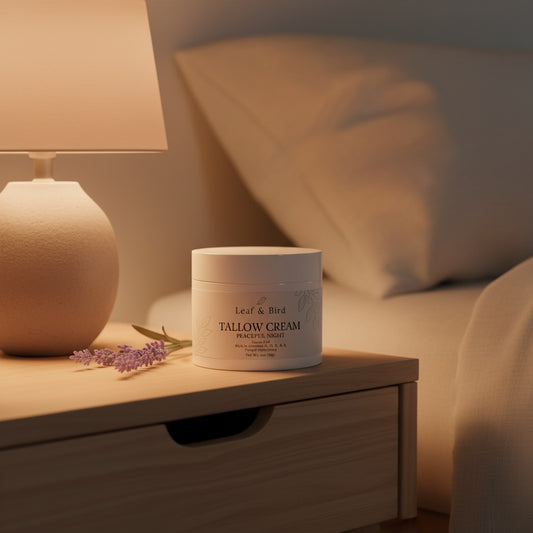
Grass-Fed Tallow Cream: Peaceful Night
Regular price $27.00 USDRegular priceUnit price per -
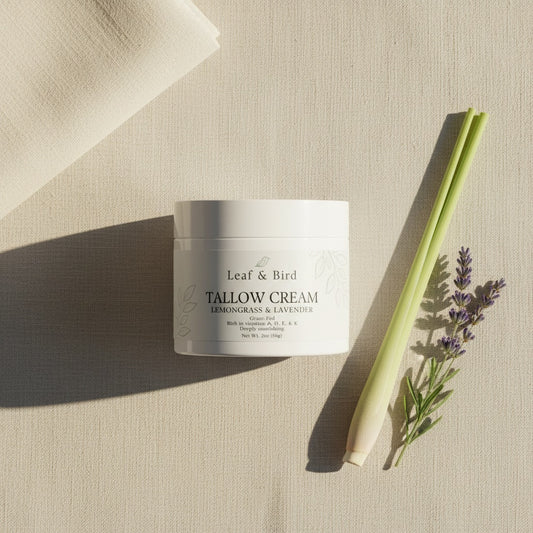
Grass-Fed Tallow Cream: Lemongrass & Lavender
Regular price $27.00 USDRegular priceUnit price per -
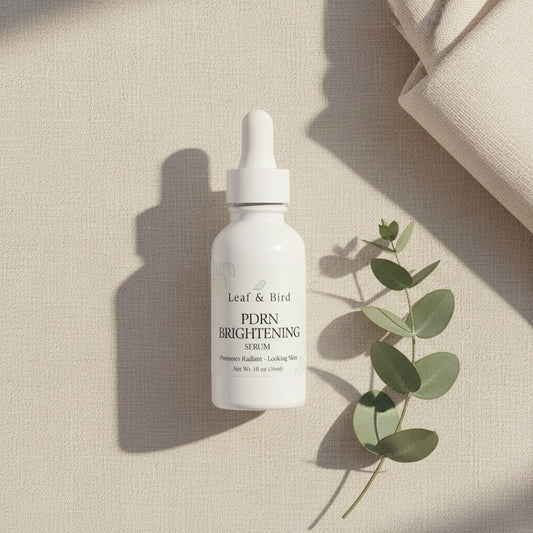
Vegan PDRN Brightening Serum
Regular price $32.00 USDRegular priceUnit price per -
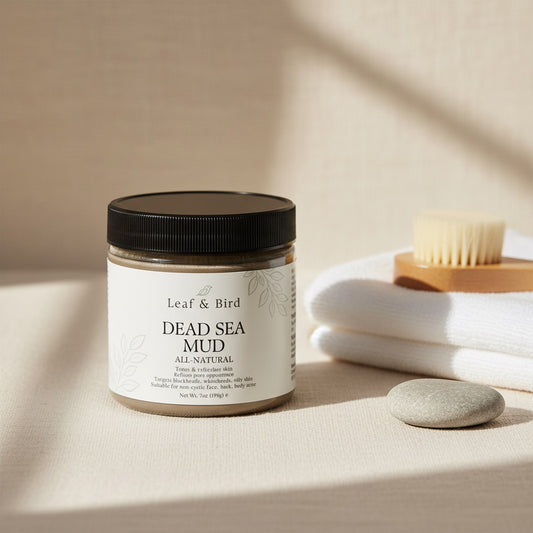
Dead Sea Mud Mask
Regular price $31.90 USDRegular priceUnit price per -
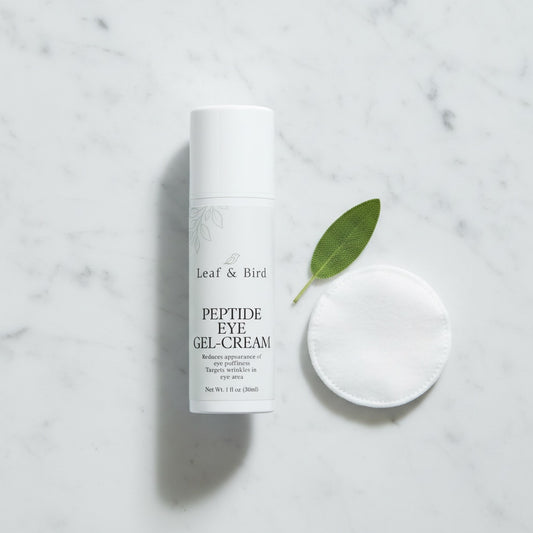
Peptide Eye Gel-Cream
Regular price $35.99 USDRegular priceUnit price per






The seed oil problem in skincare
Oxidation: why refined seed oils go rancid
Refined seed oils, canola, sunflower, safflower, soybean, and others, are high in polyunsaturated fatty acids (PUFAs), which are the most chemically reactive fats. PUFAs are susceptible to oxidation: they degrade in the presence of oxygen, heat, and light, forming lipid peroxides and aldehydes. In a food context, this is the rancidity problem. In a skincare context, the same chemistry applies when these oils sit in a jar on your bathroom shelf, or when they interact with UV light and oxygen on your skin. Refined seed oils in skincare are not inherently unstable in a sealed product, but their shelf stability is genuinely shorter than saturated or monounsaturated fat alternatives, and some researchers in the functional-health space raise concerns about applying oxidized lipids to skin. This is one reason the seed-oil skepticism community has extended its scrutiny from diet to topical products.
Omega-6 skin impact (the inflammation question)
The modern industrial diet is heavily skewed toward omega-6 fatty acids, primarily through seed oil consumption. While linoleic acid (the dominant omega-6 in most seed oils) has a role in skin barrier function, and some topical forms are studied for barrier repair, the broader functional-health debate centers on systemic omega-6 load and whether topical application adds meaningfully to that burden. The science here is genuinely unsettled, and we’re not claiming that a face cream containing sunflower oil is causing systemic inflammation. What we are saying is that the ancestral-health and seed-oil-skeptic communities have raised a reasonable precautionary question about omega-6-heavy seed oils on skin, and we’ve chosen to formulate without them. That choice lets you apply Leaf & Bird products without having to resolve the debate yourself.
Where you’ll find them hiding
Seed oils appear in skincare far more commonly than the front-label claims suggest. They show up as “carrier oils” in products marketed as natural or botanical, as base ingredients in serums and lotions labeled “clean,” and in ingredient blends listed under names that aren’t immediately recognizable as seed oils: helianthus annuus (sunflower) seed oil, glycine soja (soybean) oil, oryza sativa (rice bran) oil, vitis vinifera (grapeseed) oil. Even products that avoid synthetic chemicals and parabens often carry seed oil bases as their primary emollient. If you’re checking labels specifically for seed oils, you need to know the full botanical Latin naming convention and scan the full INCI, not just the marketing claims on the front of the package.
Who avoids seed oils in their skincare
The loudest seed-oil skeptics in skincare tend to come from the carnivore, ancestral-health, and keto communities. People who have already removed seed oils from their diet and are now extending that framework to topicals. These communities draw on the work of researchers like Paul Saladino and Tucker Goodrich, who have argued that the omega-6 polyunsaturated fat load from industrial seed oils is a driver of chronic disease and skin inflammation. The logic in this community is consistent: if you’re avoiding linoleic-acid-heavy vegetable oils in your food, why apply them to your body’s largest organ? Tallow, saturated, ancestral, stable, becomes the obvious topical equivalent to the same instinct that removed seed oils from the kitchen.
The second audience is the general clean-beauty consumer who has encountered the seed-oil debate through social media, functional medicine content, or a single ingredient-check moment that led to a deeper label-reading habit. They may not be carnivore or strict ancestral-health adherents. They just know that sunflower oil, soybean oil, and canola oil are in their face cream, they’ve heard that’s suboptimal, and they’d rather use something that sidesteps the question entirely. Both audiences are reasonable. The debate is evolving. We’re not going to tell you the seed-oil-in-skincare hypothesis is proven science, because it isn’t, but we are going to tell you that Leaf & Bird is formulated without seed oils so you don’t have to weigh it yourself every time you open your medicine cabinet.
What we use instead
Pasture-raised beef tallow is the foundation of the Leaf & Bird tallow line. Grass-fed beef tallow is predominantly saturated and monounsaturated fat (stearic acid, oleic acid, palmitic acid), a fatty acid profile that closely mirrors human sebum and is far more oxidatively stable than polyunsaturated seed oils. Saturated fats do not have the double bonds that make PUFAs vulnerable to lipid peroxidation, which means tallow sits on your shelf and on your skin without the oxidation concern that applies to high-PUFA seed oils. It’s also an ancestral ingredient: humans have applied rendered animal fats to skin for thousands of years across cultures. We source from pasture-raised cattle to ensure the fatty acid profile is consistent and the tallow is free of industrial feed byproducts.
Squalane appears in some of our water-based formulas as an emollient. Squalane is a hydrogenated, saturated derivative of squalene: stable, lightweight, and non-comedogenic. Ours is derived from olive or sugarcane fermentation, not from seed sources (some lower-cost squalane is seed-derived: worth checking). Squalane’s complete saturation means it doesn’t carry the oxidation vulnerability of seed-oil-derived emollients, and its small molecular structure allows efficient skin absorption without occlusion.
Jojoba is worth a specific mention because it’s technically not an oil at all: it’s a liquid wax ester, chemically distinct from triglyceride-based plant and seed oils. Jojoba wax esters are oxidatively stable and skin-mimicking. They don’t carry the PUFA-heavy profile of oils like grapeseed or sunflower, and they’re not seed oils in the sense the community typically uses the term. Where jojoba appears in our formulas, it’s chosen specifically because it provides slip and skin compatibility without the stability concerns of seed-oil alternatives.
Minerals form the base of our Dead Sea Mud Mask: kaolin clay and Dead Sea silt, with a minimal supporting INCI. There are no oils of any kind in the mud mask formula. The active vehicle is mineral clay suspension. This makes it the most straightforwardly seed-oil-free product in the catalog and a useful once-weekly treatment step for anyone who wants a completely fat-free active in their routine.
Our seed-oil-free commitment
Here is the product-by-product confirmation for the collection on this page:
Tallow Creams (all three variants): 100% seed-oil-free. The INCI is grass-fed beef tallow and named organic essential oils. No carrier oils, no seed-oil bases, no hidden vegetable-oil blends.
Vegan PDRN Brightening Serum: Seed-oil-free. The INCI is: Aqua, Glycerin, Propanediol, Panthenol, Sodium Hyaluronate, Sodium PCA, Polydeoxyribonucleotide (PDRN), Acetyl Hexapeptide-8 (Argireline), Hydroxyethylcellulose, Phenoxyethanol, Ethylhexylglycerin, Sodium Hydroxide. No seed oils are present.
Peptide Eye Gel-Cream: Seed-oil-free. The active base uses a peptide gel matrix with no seed-oil carrier. INCI confirmed clean of canola, sunflower, soybean, safflower, grapeseed, cottonseed, corn, and rice bran oils.
Dead Sea Mud Mask: Three ingredients: kaolin, Dead Sea mud, and supporting humectants. Zero seed oils. The most mineral-forward formula in the catalog.
An honest note: the Sleep Plus Collagen Cream and Vitamin Glow Serum are not included on this seed-oil-free page. Their INCIs contain ingredients where we want to be cautious about making an unqualified seed-oil-free claim until we have confirmed the sourcing of every emollient. We will not include a product on a seed-oil-free page unless we are certain. We audit every formulation before committing to seed-oil-free status, that audit is ongoing for products not listed here.
Seed Oil-Free Skincare: common questions
What counts as a ‘seed oil’?
Is all ‘vegetable oil’ in skincare a seed oil?
Why does seed oil matter topically if it’s fine in food?
Is this scientifically proven?
What about essential oils? Are those seed oils?
Can I use Leaf & Bird alongside other ‘clean’ brands that do use seed oils?
What’s the easiest way to spot seed oils on a skincare label?
About This Collection
Every Leaf & Bird product is formulated with full ingredient transparency: real ingredients, real results, no compromises. Made in the USA without synthetic fragrances, artificial preservatives, or harsh chemicals.
Frequently Asked Questions
Find answers to common questions about our products, shipping, returns, and more.
Every product is formulated with full ingredient transparency. We use clean, natural ingredients. No synthetic fragrances, no artificial preservatives, no harsh chemicals. All products are made in the USA and come with a 30-day money-back guarantee.
Yes! All orders ship free within the United States. Orders are processed within 1-2 business days and typically arrive within 5-7 business days.
We offer a 30-day money-back guarantee on all products. If you're not completely satisfied, contact our support team and we'll issue a full refund. No questions asked.
Our products are formulated without harsh chemicals, synthetic fragrances, or artificial preservatives. We recommend a patch test before first use if you have known sensitivities. Our grass-fed tallow products are especially gentle.
For hydration & dry skin: Start with our Tallow Body Care collection. For brightening & anti-aging: Try our Vitamin C or Vitamin Glow serums. For deep pore cleansing: The Dead Sea Mud mask. For overnight repair: Sleep Plus Collagen Cream.
What Our Customers Are Saying
Clean Beauty That Works
I've been shopping with this brand for over a year now and the quality never disappoints. Every purchase has exceeded my expectations and their customer service is exceptional.
My Whole Routine in One Brand
I've been shopping with this brand for over a year now and the quality never disappoints. Every purchase has exceeded my expectations and their customer service is exceptional.
Finally, Transparent Ingredients
I've been shopping with this brand for over a year now and the quality never disappoints. Every purchase has exceeded my expectations and their customer service is exceptional.